
Psychometric Testing
Clinical psychologists, Jessica Taylor, Jessica Chung-Beilharz, Heidi Brummert Lennings, Janice Tang and Cassandra Thompson, offer psychometric testing for children age 6 years and older, adolescents and adults. They have extensive clinical experience working with children, families, adolescents, and adults, as well as a particular interest and expertise in psychometric assessment.
IQ and academic testing can provide important information about an individual's cognitive strengths and weaknesses, academic needs, and preferred learning style. This can assist the individual in making educational choices and implementing strategies to ensure that their learning style is appropriately supported.
Specific reasons for testing include:
- Learning difficulties or delays (e.g. difficulties with spelling, writing, maths and/or reading)
- Giftedness
- Underachievement
- Emotional and/or behavioural problems presenting in the classroom and/or at home
- Admission to special educational programs (e.g., enrichment, extension and acceleration programs)
- Increasing understanding of an individual's learning style
- Concerns regarding possible attentional difficulties
- Queried autism spectrum diagnosis
CHILDREN UNDER 12 YEARS OLD
Assessment and Fee Structure
The initial screening assessment helps determine whether further psychometric testing is warranted and informs the selection of measures for the psychometric test battery.
If the assessment is for giftedness only, no initial assessment session will be required.
If you are a current psychology or psychiatry client at the practice, you may not be required to complete an assessment. This will be determined on a case-by-case basis.
Initial screening assessment
1. Academic and learning challenges:
- $300
- Appropriate for individuals with learning and/or academic difficulties such as reading, writing, spelling, and mathematics.
- One-hour clinical interview
- Comprehensive developmental and background form reviewed by clinician prior to interview
- Liaising with teachers or other professionals involved in your care (where appropriate and when consent is provided)
- Brief recommendations report
2. Attention-deficit/hyperactivity disorder (ADHD) screening:
- $779
- 1.5 hour clinical interview
- All items in Option 1
- Review of one recent and one primary school report
- Conners Questionnaire
- Comprehensive Executive Function Inventory
- Wender Utah Questionnaire (18+)
3. Autism spectrum screening:
- $779
- 1.5 hour clinical interview
- All items in Option 1
- Conners Questionnaire
- Adaptive Behavior Assessment System
4. ADHD and autism screening:
- $908
- 2 hour clinical interview
- All items in Option 2 and 3
The assessment information is summarised in a brief recommendations report including, where indicated, comprehensive psychometric testing options and/or specialists supports.
A 30 to 50 minute feedback appointment ($172-$284) may be scheduled, depending on the outcome of the screening assessment.
Following the initial asssesment, several psychometric testing options are available:
1. IQ only:
- The cost of the testing is $1161
- Wechsler Intelligence Scale
2. IQ and academic performance:
- The cost of the testing is $2241
- Wechsler Intelligence Scale, plus Wechsler Individual Achievement Test
3. IQ and attentional performance:
- The cost of the testing is $2241, or $2046 for clients who have completed the initial assessment
- Wechsler Intelligence Scale, Test of Everyday Attention, MOXO, NEPSY (if needed) and all ADHD screeners
4. IQ, academic and attentional performance:
- The cost of the testing is $3061, or $2866 for clients who have completed the initial assessment
- Wechsler Intelligence Scale, Wechsler Individual Achievement Test, Test of Everyday Attention, MOXO, NEPSY (if needed) and all ADHD screeners
5. Autism spectrum diagnostic assessment:
- The cost of the testing is $2671, or $2571 for clients who have completed the initial assessment
- Structured clinical interview, Autism Diagnostic Observation Schedule, Second Edition (ADOS-2)
The best testing option may be selected in consultation with the treating paediatrician, school counsellor, psychologist or psychiatrist.
These packages include a 50-minute feedback appointment as well as a written report with the results, diagnosis (if applicable) and recommended intervention options and strategies.
Individual tests if required:
- Test of Everyday Attention (TEA): $220, plus the cost of 1.5 hours of clinician time
- Computerised performance test (MOXO d-CPT) for ADHD screening: $55 plus the cost of clinician time
Referrals:
Please do not hesitate to speak to your therapist, our friendly reception staff, or contact us on 9579 2480 if you wish to make an appointment or obtain further information about this service. Alternatively, please complete and send as an instant enquiry on our contact page.
Payment Plans:
Payment plans are available for all testing procedures. Clients may elect to pay instalments across a one to two month period. Reports will not be released prior to receipt of full payment, unless the client has signed a credit card payment form authorising Southside Health & Wellbeing to process future payment instalments.
Medicare Rebates:
A Medicare rebate may be available for clients referred by their GP, psychiatrist or paediatrician for the initial assessment only, and for any psychological therapy services provided after the assessment is completed.
Medicare does not currently provide rebates for psychometric assessment of IQ, academic performance, or attentional difficulties.
A medicare rebate scheme is available for the Autism Spectrum assessment. To obtain a Medicare rebate for the purpose of assistance with diagnosis or to contribute to the treatment and management plan for a Complex Neurodevelopmental Disorder such as Autism, a referral must be made by a paediatrician or psychiatrist. You can claim approximately $89.65 per session, across a maximum of four assessment sessions if the referred person is under the age of 25.
Private Health Fund Rebates:
Rebates may be available for clients with “extras cover”. Clients are advised to check with their fund. Our HICAPS facility allows you to use the rebate at the time of the appointment. Each assessment session and parent feedback session will be billed individually. Each session may be eligible for a private health fund rebate.
CHILDREN/ADOLESCENTS 12 YEARS AND OLDER, AND ADULTS
Assessment and Fee Structure
The cost of the screening assessment is charged based on the clinicians time at a rate of $210 per hour. The total price will depend on the complexity of the assessment, need for collateral information, and report length. The price ranges are provided below.
The initial screening assessment helps determine whether further psychometric testing is warranted and informs the selection of measures for the psychometric test battery.
If the assessment is for giftedness only, no initial assessment session will be required.
If you are a current psychology or psychiatry client at the practice, you may not be required to complete an assessment. This will be determined on a case-by-case basis.
Initial screening assessment
1. Academic and learning challenges: $300
- Appropriate for individuals with learning and/or academic difficulties such as reading, writing, spelling, and mathematics.
- One-hour clinical interview
- Comprehensive developmental and background form reviewed by clinician prior to interview
- Liaising with teachers or other professionals involved in your care (where appropriate and when consent is provided)
- Brief recommendations report
2. Attention-deficit/hyperactivity disorder (ADHD) screening:
- Price range: $779 - $1040
- 1.5 hour clinical interview
- All items in Option 1
- Review of one high school and one primary school report
- Conners Questionnaire
- Comprehensive Executive Function Inventory
- Wender Utah Questionnaire (18+)
3. Autism spectrum screening:
- Price range: $779 - $1040
- 1.5 hour clinical interview
- All items in Option 1
- Conners Questionnaire
- Adaptive Behavior Assessment System
4. ADHD and autism screening:
- Price range: $908 - $1290
- 2 hour clinical interview
- All items in Option 2 and 3
The assessment information is summarised in a brief recommendations report including, where indicated, comprehensive psychometric testing options and/or specialists supports.
A 30 to 50 minute feedback appointment ($172-$284) may be scheduled, depending on the outcome of the screening assessment.
Following the initial asssesment, several psychometric testing options are available:
1. IQ only:
- The cost of the testing is $1161
- Wechsler Intelligence Scale
2. IQ and academic performance:
- The cost of the testing is $2241
- Wechsler Intelligence Scale, plus Wechsler Individual Achievement Test
3. IQ and attentional performance:
- The cost of the testing is $2241, or $2046 for clients who have completed the initial assessment
- Wechsler Intelligence Scale, Test of Everyday Attention, MOXO, NEPSY (if needed) and all ADHD screeners
4. IQ, academic and attentional performance:
- The cost of the testing is $3061, or $2866 for clients who have completed the initial assessment
- Wechsler Intelligence Scale, Wechsler Individual Achievement Test, Test of Everyday Attention, MOXO, NEPSY (if needed) and all ADHD screeners
5. Autism spectrum diagnostic assessment:
- The cost of the testing is $2671, or $2571 for clients who have completed the initial assessment
- Structured clinical interview, Autism Diagnostic Observation Schedule, Second Edition (ADOS-2)
The best testing option may be selected in consultation with the treating paediatrician, school counsellor, psychologist or psychiatrist.
These packages include a 50 minute feedback appointment as well as a written report with the results, diagnosis (if applicable) and recommended intervention options and strategies.
Individual tests if required:
- Test of Everyday Attention (TEA): $220, plus the cost of 1.5 hours of clinician time
- Computerised performance test (MOXO d-CPT) for ADHD screening: $55 plus the cost of clinician time
Referrals:
Please do not hesitate to speak to your therapist, our friendly reception staff, or contact us on 9579 2480 if you wish to make an appointment or obtain further information about this service. Alternatively, please complete and send as an instant enquiry on our contact page.
Payment Plans:
Payment plans are available for all testing procedures. Clients may elect to pay instalments across a one to two month period. Reports will not be released prior to receipt of full payment, unless the client has signed a credit card payment form authorising Southside Health & Wellbeing to process future payment instalments.
Medicare Rebates:
A Medicare rebate may be available for clients referred by their GP, psychiatrist or paediatrician for the initial assessment only, and for any psychological therapy services provided after the assessment is completed.
Medicare does not currently provide rebates for psychometric assessment of IQ, academic performance, or attentional difficulties.
A medicare rebate scheme is available for the Autism Spectrum assessment. To obtain a Medicare rebate for the purpose of assistance with diagnosis or to contribute to the treatment and management plan for a Complex Neurodevelopmental Disorder such as Autism, a referral must be made by a paediatrician or psychiatrist. You can claim approximately $89.65 per session, across a maximum of four assessment sessions if the referred person is under the age of 25.
Private Health Fund Rebates:
Rebates may be available for clients with “extras cover”. Clients are advised to check with their fund. Our HICAPS facility allows you to use the rebate at the time of the appointment. Each assessment session and parent feedback session will be billed individually. Each session may be eligible for a private health fund rebate.
Please see below for Frequently Asked Questions regarding psychometric testing.
FAQ
-
The Assessment Process
The assessment is conducted in several stages:
- Initial Assessment Forms: You will be provided with an initial assessment (background information) form, which includes an overview of developmental, medical, psychological and academic history. Initial parent, teacher and/or self report forms assessing symptoms, strengths and difficulties will be also be sent and must be completed at least 7 days prior to the initial appointment.
- Clinical Interview: An assessment will be scheduled focused on diagnostic screening, developmental and medical history to determine the most appropriate psychometric testing option. If the assessment is for a child or adolescent, at least one parent/guardian will be asked to attend this assessment session with the child or young person. If the assessment is for giftedness only, no initial assessment session will be required.
- Psychometric Assessment Sessions: Based on the clinical interview, one or more of the below will be selected for testing:
- Cognitive ability testing - Wechsler Intelligence Scale (WISC-V; 6-17 years old or WAIS-IV; 17+ years old) and/or;
- Academic ability testing - Wechsler Individual Achievement Test (WIAT-III) and/or;
- Measures of attention and executive functioning
- Autism spectrum diagnostic assessment
- If the WISC or WAIS is the only test to be used, testing will be completed in one session. If the WISC or WAIS plus one additional test is being used, the tests may be completed in one session or across two sessions, depending on the needs of the individual. If three or more tests are to be administered two sessions will be required.
- Report: A comprehensive written report will be prepared based on the outcome of the assessment and testing process. This report will be sent in a PDF document via email to the address provided, or by mail at request, within four (4) weeks of completion of the assessment. The report will highlight relative areas of strength and difficulty, with recommendations for home and school/study made and strategies provided for improving the individual's learning experience.
- Feedback Appointment: Your clinician will provide a 50-minute feedback appointment to discuss the report results, recommendations, and respond to any questions regarding the report.
-
IQ Testing
Intelligence testing is a method used by psychologists to measure an individual's intellectual capabilities. Intellectual assessment is a good indicator of a individual's academic potential. The results of an IQ test rank an individual against a very large sample of people the same age.
We use the Wechsler Intelligence Scale for Children, Fourth Edition, Australian Standardisation (WISC-V). This is an individually administered instrument for assessing the cognitive ability of children aged 6 years to 16 years.
To assess older adolescents and adults, we use the Wechsler Adult Intelligence Scale, Fourth Edition, Australian Standardisation (WAIS-IV). This battery was designed to parallel the WISC for those aged 16 years to 90 years.
The WISC-V and WAIS-IV are some of the most reliable and valid IQ testing instruments available and are the most widely used measures of IQ. Both batteries provide scores that represent intellectual functioning in four specified cognitive domains: Verbal Comprehension, Perceptual Reasoning, Processing Speed and Working Memory. The WISC-V and WAIS-IV also provide a Full Scale IQ score measuring general intellectual ability. During the testing session the individual is asked to solve problems and puzzles and to answer a range of questions. Most people enjoy the testing session as it is an engaging process involving novel and fun tasks.
-
Academic Testing
Academic testing provides an overview of a child’s current performance across a range of academic domains. We use the Wechsler Individual Achievement Test (WIAT-III; 4-50 years) with subtests including:
- Oral Expression
- Listening Comprehension
- Written Expression
- Spelling
- Pseudoword Decoding
- Word Reading
- Reading Comprehension
- Numerical Operations
- Maths Reasoning
The assessment provides a rich source of information about an individual's achievement skills, allowing the assessment of problem-solving ability by evaluating processing skills. This enables curriculum and intervention decisions to be made with confidence. Testing also allows a direct comparison of an individual's intellectual capabilities with his/her academic performance.
-
Attention Testing
Attention is a vital component of the learning process, and different types of attentional difficulties have different implications for learning and intervention strategies.
Executive Function skills are the mental processes that enable us to plan, focus attention, remember instructions, and juggle multiple tasks successfully.
Our clinicians select from a range of available tests to provide a comprehensive evaluation of different aspects of attentional and executive functioning.
The Test of Everyday Attention for Children (TEA-Ch) measures children’s abilities to:
- Switch their attention from one task to another
- Withhold (inhibit) verbal and motor responses
- Sustain their attention
- Selectively attend
- Divide attention between two tasks
The subtests are sensitive to the developmental progression of attentional skills and allow analysis of the child’s progress in this important area of development.
Age range: Junior (5-7 years) and adolescent (8-15 years) version
The Test of Everyday Attention (TEA) gives a broad based measure of three important clinical and theoretical aspects of attention:
- Selective attention
- Sustained attention
- Attentional switching
Age range: 18 to 80 years
The Developmental NEuroPSYchological Assessment (NEPSY) assesses a range of cognitive abilities including:
- Executive functioning
- Attention
- Language
- Memory and learning
- Sensorimotor functioning
- Social perception
- Visuospatial processing
The results provide information relating to typical childhood disorders, which can lead to accurate diagnosis and intervention planning for success in school and at home.
Age range: 3 to 16 years
The Delis-Kaplan Executive Function System (D-KEFS) assesses key components of executive function including:
- Problem solving
- Verbal and spatial concept formation
- Flexibility of thinking
- Fluent productivity in the verbal and spatial domain
- Verbal inhibition
- Planning and reasoning
- Impulsivity
- Hypothesis testing
- Verbal and spatial abstract thinking
- Deductive reasoning
- Metaphorical thinking and comprehending abstract thought
Age range: 8 years onwards
The Comprehensive Executive Function Inventory (CEFI) evaluate executive function strengths and weaknesses in the following domains:
- Attention
- Emotion regulation
- Flexibility
- Inhibitory control
- Initiation
- Organisation
- Planning
- Self monitoring
- Working memory
Age range: 5 to 18 years old, Adult version 18+
The MOXO computerised continuous performance test (d-CPT) provides measurements of all four core symptoms of ADHD:
- Hyper-Reactivity
- Inattention
- Timing
- Impulsivity
Age range: Kid (6 to 12 years) and Teens/Adult (13 to 70 years) versions
The Conners questionnaire assesses ADHD symptoms as well as its most common comorbid problems and disorders:
- Inattention
- Hyperactivity / Impulsivity
- Learning Problems
- Executive Functioning (Parent & Teacher)
- Defiance / Aggression
- Peer / Family Relations
It is a multi-informant assessment that takes into account home, social and school settings, with rating forms for parents, teachers and youth.
Age range: 6 to 18 years
The Wender Utah Rating Scale (18+ years old) is a self-report instrument that is designed to retrospectively evaluate the presence and severity of childhood symptoms of ADHD in adults.
-
Autism Spectrum Assessment
Due to demand, the Autism Spectrum assessment is only available for current psychology and/or psychiatry clients at Southside. We are not able to accept new external assessment referrals at this time.
Autism is a lifelong developmental condition characterised by difficulties in social interaction, communication, restricted and repetitive interests and behaviours, and sensory sensitivities. The word ‘spectrum’ reflects the wide range of challenges that people can experience and the extent to which they may be affected. An estimated 1 in 70 Australians are on the autism spectrum. The quality of life for many children and adults can be significantly improved by an early diagnosis and appropriate evidence informed treatment.
Autism Diagnostic Observation Schedule, Second Edition (ADOS-2)
The ADOS-2 is a semi-structured, standardised assessment of communication, social interaction, play, and restricted and repetitive behaviours. The assessment presents various activities that elicit behaviours directly related to a diagnosis of ASD which the examiner will observe and code.
Age range: 12 months to adulthood. Administered with the individual.
If recommended, additional psychometric testing options (e.g., IQ testing, academic performance, and ADHD) can be combined with this assessment, which will be associated with a higher fee and will depend on the test battery.
Medicare Information
To obtain a Medicare rebate for the purpose of assistance with diagnosis or to contribute to the treatment and management plan for a Complex Neurodevelopmental Disorder, a referral must be made by a paediatrician or psychiatrist. You can claim approximately $89.65 per session, across a maximum of four assessment sessions if the referred person is under the age of 25.
-
Preparing Your Child for Psychometric Testing
Undergoing a psychometric (psychological) assessment can feel stressful for children and parents alike. Preparing your child in a calm, positive, and age-appropriate way can significantly reduce anxiety and help them feel calm, supported, confident, and ready to engage. Below is a guide to help you and your child prepare for the assessment process.
What Is a Psychometric (Psychological) Assessment?
Psychometric assessments are used to better understand a child or young person’s cognitive, learning, adaptive, and social-emotional functioning. Depending on the referral questions, an assessment may include:
- Gathering background information from parents/caregivers
- Observations of your child
- Questionnaires completed by parents, teachers, or the young person
- Consultation with other professionals (e.g. teachers or paediatricians)
- Standardised assessment tasks (often referred to as “activities”)
The psychologist scores and interprets the results of these assessment tasks alongside all other information gathered. Following the assessment, a comprehensive report is prepared outlining the findings, the psychologist’s clinical interpretation, and practical recommendations for support at home, school, or in other settings.
General Tips to Prepare for a Psychometric Assessment
A psychological assessment is not a pass/fail test. It is a way of understanding your child’s unique strengths, challenges, and learning style so that adults can better support them at home, school, and in everyday life.
1. Explain the “Why” and the “What”
- Explain the purpose of the assessment in simple, positive terms.
- The amount of detail you provide may vary depending on your child’s age and developmental level. For younger children, simple and reassuring explanations are often sufficient.
- Let your child know it is about learning how their brain works and how adults can better help them.
- You might describe it as a series of activities, puzzles, and questions designed to understand how they learn.
- Reassure them there are no medical procedures or physical exams involved.
2. Help Your Child Feel Physically Ready
- Maintain your child’s usual routine as much as possible.
- Ensure your child is well rested. Keeping to their usual bedtime routine and reducing screen time the night before can help.
- Provide a nutritious breakfast on the morning of the assessment to support energy and concentration.
- Unless advised otherwise by the psychologist, your child should take all prescribed medication (including ADHD medication) as usual.
3. Introduce the Psychologist
- Tell your child the name of the psychologist they will be working with.
- If possible, show them a photo so they know who to expect (photos of our psychologists can be found on our website https://www.southsidehealth.com.au/psychometric-testing).
4. Set Clear and Reassuring Expectations
- Emphasise effort over accuracy. Let your child know it is okay not to know all the answers.
- Explain that the psychologist is there to understand how they think, feel, and learn.
- Using the word “activities” rather than “tests” can help reduce anxiety.
- Explain that a psychologist is someone who helps people understand how their brains work, including how they think, feel, and learn.
- Also avoid calling the assessment “games,” as this may create unrealistic expectations.
- A helpful alternative may be to use the word “activities.”
5. Managing Anxiety or Resistance
- It is normal for children to feel nervous or reluctant, especially if they associate the assessment with a difficulty they are experiencing. If your child is anxious or refuses to attend, focus on the purpose of the assessment rather than performance.
Example:
Child: “I’m not going. I hate maths.”
Parent: “I’ve noticed that maths feels really hard for you, and I’m not sure why. If we understand more about how you learn, your teachers and I can do a better job helping you. That’s why we’re meeting with [psychologist’s name] – to figure out what might make maths easier and what we can do differently.”
6. Comfort and Familiarity
- If helpful, allow your child to bring a comfort item such as a favourite toy or book (as long as it is not overly distracting).
- Showing your child photos of the clinic or psychologist beforehand can help increase familiarity.
7. What to Bring on the Day
- Glasses or hearing aids, if your child uses them
- A water bottle and a snack (especially for longer assessments)
- Any medication your child needs to take during the assessment period
- Your psychologist will offer regular breaks, particularly for assessments lasting longer than two hours.
8. Arrival and Timing
- Aim to arrive 5–10 minutes early to allow your child time to settle, use the bathroom, and become familiar with the space.
9. Skip the Studying
- Some assessments (such as cognitive or IQ assessments) measure skills and knowledge built up over time. It is not possible or helpful to “study” for these assessments. Reassure your child that they do not need to prepare or practise beforehand.
Specific Tips for Younger Children (Under 12 Years)
Younger children often benefit from reassurance, predictability, and comfort items.
Provide Comfort and Choice
- Dress your child in comfortable clothing.
- They may bring a favourite comfort item, provided it is not overly distracting or stimulating.
- Reassure them that you will be nearby and available if they need a break.
- For very young children or children with significant anxiety, you can discuss with the psychologist during the intake appointment whether staying in the room is appropriate. It is important that this discussion occurs prior to the assessment day, so please email or call us about this.
Share the Plan for the Day
- Children often feel more secure when they know what to expect.
- Explain where you are going, how long you will be there, and what will happen afterwards.
- Include transitions (e.g. leaving school, travelling to the clinic).
Example script:
“This Friday, we’re going to go together to {psychologist’s name]’s office from 9 am to 12 pm. [Psychologist’s name] helps kids understand how they learn. They’ll ask you some questions and do activities like puzzles or tasks on an iPad. It’s okay to feel nervous. After we’re finished, we’ll [insert calming or engaging activity you can do together]”
Specific Tips for Adolescents (13 Years and Over)
Focus on Self-Understanding and Privacy
- Emphasise that the assessment can help them better understand themselves, including how they learn, think, and manage challenges.
- Let them know that their privacy will be respected and explain, in age-appropriate terms, how information is shared and with whom.
- Encourage open discussion about what they hope to gain from the assessment.
Share What You Know
- Adolescents are often capable of understanding the purpose of an assessment in more depth.
- Explain how the assessment may help clarify challenges they are experiencing (e.g. reading, attention, organisation, or completing work on time).
- Encourage them to write down or think about questions they may want to ask the psychologist.
Talk About Feelings Openly
- Invite your young person to share how they are feeling about the assessment, whether that is anxiety, frustration, curiosity, or relief.
- Validate their feelings and reassure them that support is available throughout the process.
After the Assessment
Plan a calm or enjoyable activity afterwards (such as a favourite meal, downtime at home, or a preferred activity) to acknowledge the effort your child has put in.
A Final Reassurance
Psychometric assessments are not about passing or failing. They are about understanding your child as an individual and identifying how best to support their learning, wellbeing, and development. Your calm and reassuring approach will help your child feel safe and supported as they take part in the assessment.
Quick Preparation Checklist
Before the assessment day, you may find it helpful to quickly check the following:
☐ Your child understands the assessment is not pass/fail, but about understanding how they learn and think
☐ You have explained the assessment using calm, positive language (e.g. “activities” rather than “tests”)
☐ Your child has had a good night’s sleep
☐ A nutritious breakfast is planned for the morning
☐ Regular medication (e.g. ADHD medication) will be taken as usual, unless advised otherwise
☐ Glasses, hearing aids, or other supports are ready to bring
☐ A comfort item (if helpful) is packed
☐ A snack and water bottle are prepared
☐ You plan to arrive 5–10 minutes early to allow time to settle
☐ A calm or enjoyable activity is planned for after the assessment
Psychometric Testing
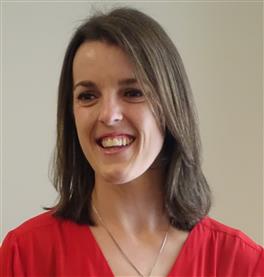
Jessica Taylor
B Sc Psych (Hons), M Psych (Clin)

Janice Tang
B Psych (Hons), M Clin Psych, PhD

Heidi Brummert Lennings
B Psych (Hons), M Psych (Clin), PhD
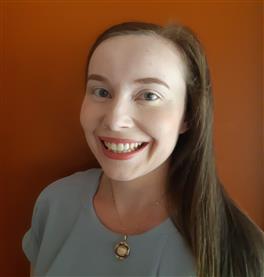
Jessica Chung-Beilharz
B Psych (Hons), M Clin Psych, PhD
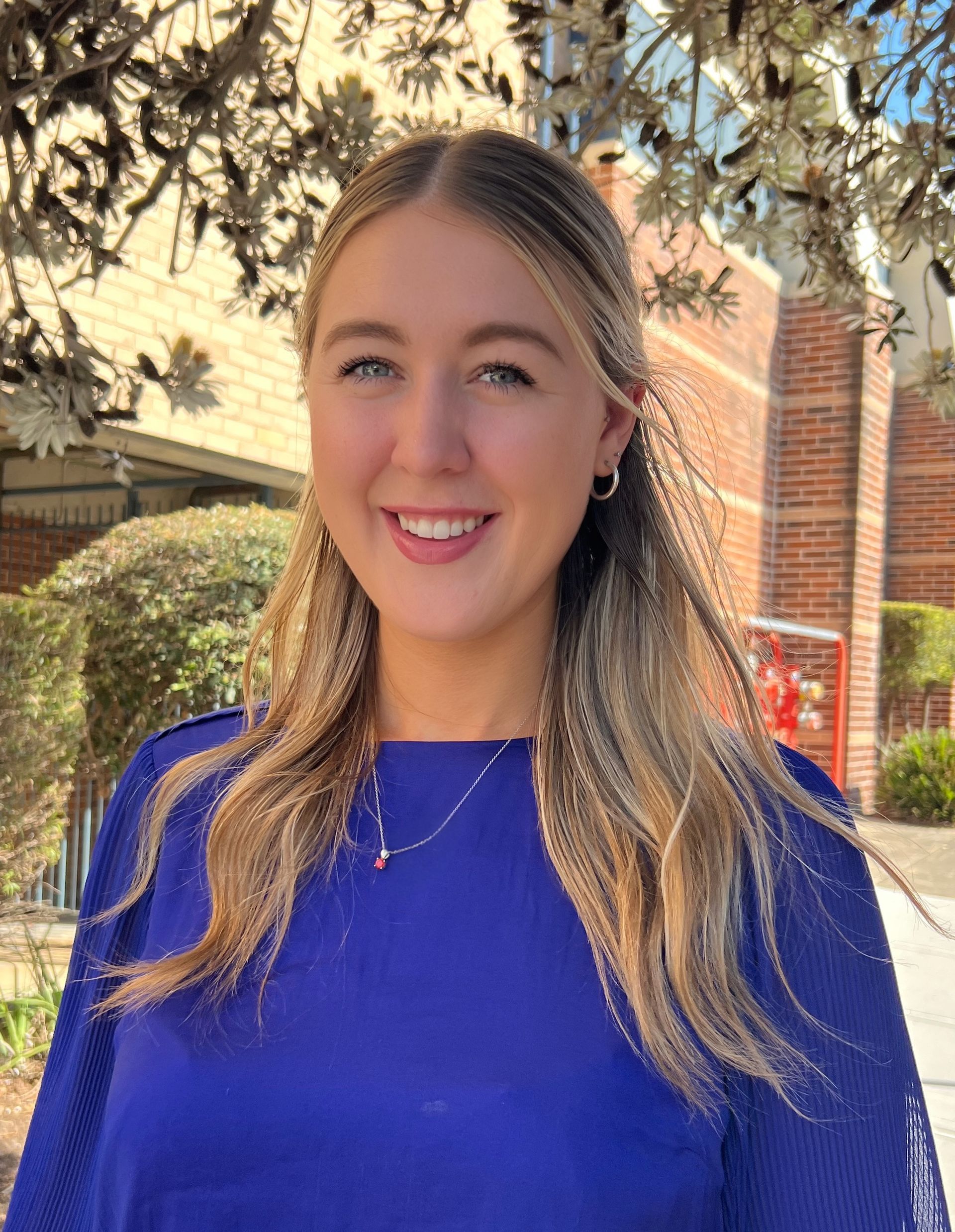
Cassandra Thompson
B Sc Psych (Hons), M Psych (Clin)